
How to Hire a Corporate Event Photographer: A Planner’s Guide
Planning a corporate event involves dozens of decisions, from selecting the venue and coordinating speakers to managing schedules, sponsors, and attendees. Choosing the right photographer is one decision that can have a lasting impact long after the event has ended.
Professional event photographs do more than document what happened. They provide valuable material for marketing, public relations, internal communications, social media, and promoting future events.
Whether you’re organizing a national conference, executive meeting, awards ceremony, trade show, or company celebration, here’s what to consider when hiring a corporate event photographer.
1. Look for Experience Photographing Similar Events
Not all event photography is the same.
A photographer who specializes in weddings or family portraits may be highly skilled, but corporate events present a different set of challenges.
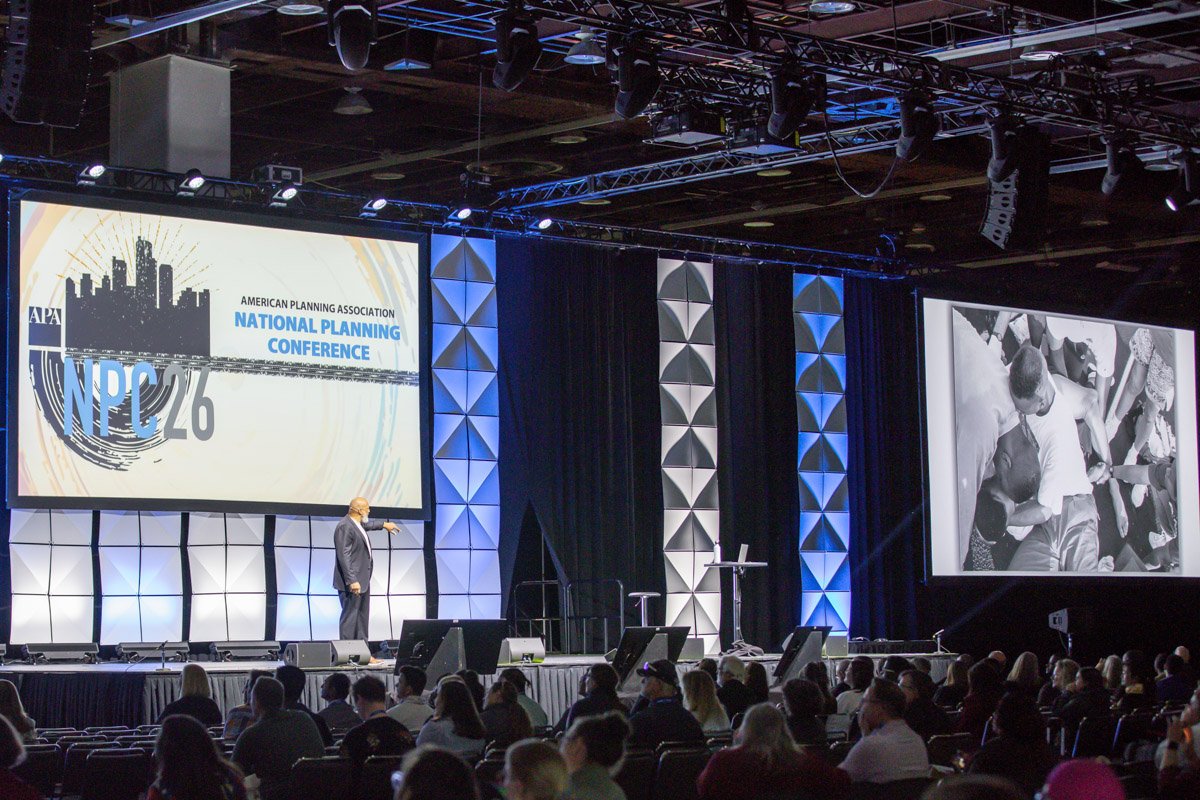
Conferences, for example, often involve multiple speakers, changing stage lighting, overlapping sessions, sponsor requirements, and tight schedules.
An experienced corporate event photographer understands how to anticipate important moments without interrupting presentations or distracting attendees.
When reviewing a photographer’s portfolio, look for examples of:
-
Keynote speakers and executive presentations
-
Audience engagement and candid interactions
-
Networking receptions and business conversations
-
Awards presentations and recognition ceremonies
-
Sponsor branding, signage, and exhibition displays
-
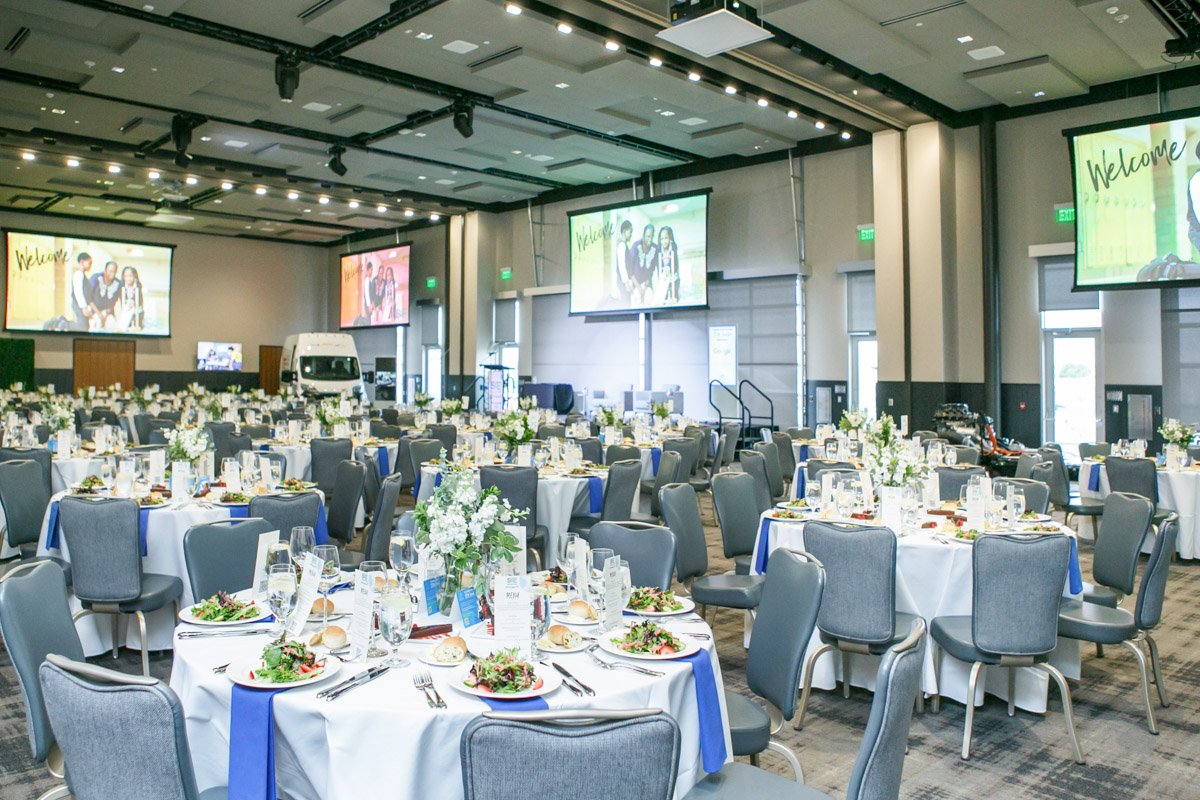
Wide photographs that establish the venue and event atmosphere
Look beyond individual standout images. A strong portfolio should demonstrate consistent results across different lighting conditions, locations, and types of corporate events.
2. Make Sure the Photographer Understands Your Event’s Objectives
Before discussing equipment or photography styles, explain what your organization hopes to accomplish with the images.
Are you documenting an annual meeting for internal communications? Creating marketing material for next year’s conference? Providing photographs to sponsors? Capturing executive presentations for media coverage?
The answers should influence how the event is photographed.
For example, a conference organizer may need photographs showing attendance, audience engagement, speakers, networking, and sponsor visibility.
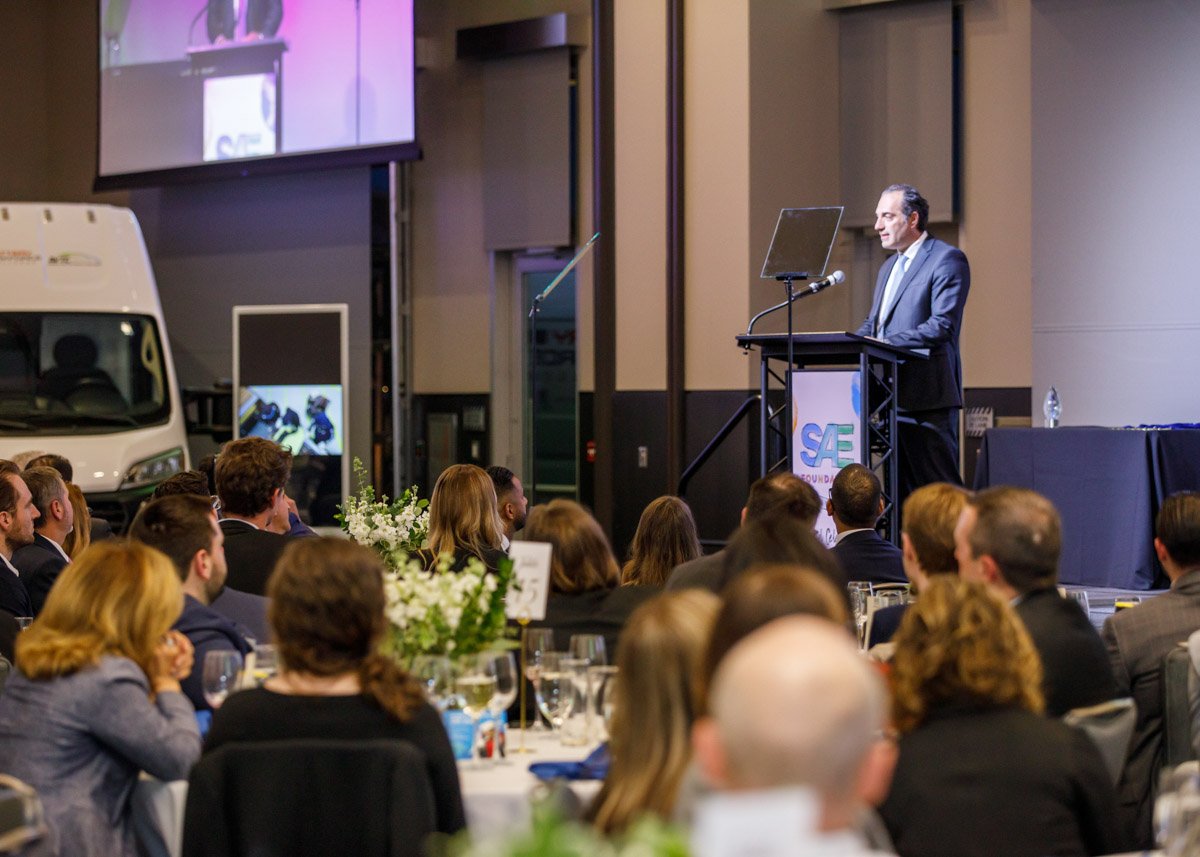
A company hosting an awards dinner may place greater emphasis on presentations, recipients, executive group photographs, and the overall atmosphere.
A good photographer will ask about these priorities before the event rather than simply arriving with a camera and photographing whatever happens.

3. Discuss the Event Schedule and Coverage Requirements
One of the most important parts of hiring an event photographer is establishing exactly what needs to be covered.
Provide a preliminary agenda, even if some details are still changing.
Consider the following questions:
- How many hours or days of photography are required?
- Will presentations or activities take place in multiple rooms simultaneously?
- Are there particular executives, speakers, or guests who must be photographed?
- Will there be evening receptions or off-site activities?
- Are formal group photographs or individual headshots needed?
- Will sponsors or exhibitors require specific photographs?
For large conferences, a single photographer may not be able to cover everything.
If two important sessions are happening at the same time, additional photography coverage may be necessary.
Discussing these requirements early helps establish an appropriate photography plan and avoids surprises during the event.

4. Ask About Experience with Challenging Lighting
Corporate venues can present difficult lighting conditions.
Hotel ballrooms, conference centers, exhibition halls, and auditoriums frequently combine dim ambient lighting with bright projection screens, spotlights, and changing stage colors.
Photographing a speaker against a large illuminated screen requires a different approach from photographing attendees at a networking reception.
An experienced event photographer should be comfortable working in these environments while preserving the atmosphere of the event.
When reviewing portfolios, pay particular attention to photographs taken inside conference rooms and ballrooms, rather than relying entirely on brightly lit outdoor or studio images.
Consistent results in difficult environments are often a better indication of professional experience than any particular camera or lens.
5. Clarify Image Delivery and Turnaround Times
Photography delivery requirements vary considerably between organizations.
Some clients are happy to receive their completed gallery after the event. Others need selected images within hours for social media, press releases, or daily conference updates.
Before booking, establish:
- When the completed photographs will be delivered
- Whether editing and color correction are included
- Whether same-day or next-day highlights are available
- How photographs will be delivered and downloaded
- Whether images can be shared with event attendees, sponsors, or other stakeholders
For multi-day conferences, receiving a selection of photographs while the event is still underway can be particularly valuable.
Your communications team may be able to publish updates, share speaker highlights, and promote upcoming sessions using photographs from earlier in the event.
If fast delivery matters, make it part of the initial discussion rather than an unexpected request during the assignment.
6. Understand What’s Included in the Photography Proposal
Corporate event photography proposals should clearly explain the services being provided.
Rather than comparing photographers on hourly rates alone, consider the overall coverage and deliverables.
A proposal should identify the scheduled photography hours, number of photographers, expected deliverables, turnaround time, and any additional expenses.
It should also explain how the organization may use the finished photographs.
For example, photographs might be needed for the company’s website, annual report, social media, press releases, event promotions, and internal communications.
Clarifying usage rights in advance helps avoid misunderstandings later.
The lowest-priced proposal is not necessarily the best value if it doesn’t provide the coverage, reliability, or delivery your event requires.

7. Consider Reliability, Preparation, and Professionalism
Corporate events frequently operate on carefully coordinated schedules.
Speakers may only be available for a few minutes. Award presentations happen once. Important interactions cannot always be recreated.
Reliability matters.
Ask prospective photographers about their preparation process, backup equipment, and experience working with event organizers.
Professional event photographers should also understand the importance of discretion.
During executive presentations, sensitive meetings, and formal ceremonies, the photographer must capture important moments without becoming a distraction.
Preparation, communication, and an ability to adapt when schedules change can be just as important as photographic ability.
8. Think About How the Photographs Will Be Used After the Event
The value of professional corporate event photography often extends well beyond the event itself.
A well-planned collection of images can support an organization’s communications for months or even years.
Consider requesting photographs suitable for:
- Future conference and event promotions
- Company websites and marketing campaigns
- LinkedIn and other social media channels
- Sponsor and partner communications
- Annual reports and internal publications
- Press releases and editorial coverage
- Recruitment and employer branding
This is another reason to discuss your objectives with the photographer in advance.
A collection consisting entirely of close-up speaker photographs may not provide the variety needed for future marketing.
Wide venue photographs, candid interactions, recognizable branding, and environmental details can be equally valuable.
9. Seven Questions to Ask Before Hiring a Corporate Event Photographer
Use this checklist when evaluating potential photographers:
- Have you photographed conferences or corporate events similar to ours?
- Can we see examples of complete event coverage, not just selected portfolio highlights?
- How do you handle difficult lighting in conference rooms and hotel ballrooms?
- Can you provide additional photographers if sessions overlap?
- Are same-day highlights or expedited image delivery available?
- What editing, image delivery, and usage rights are included?
- How do you prepare for an event and coordinate with the planning team?
These questions help identify photographers who understand the practical demands of corporate events rather than simply producing attractive individual photographs.
10. Make the Photographer Part of Your Event Planning Process
Once you’ve selected your photographer, communication becomes essential.
Share the latest agenda, identify priority speakers and activities, and provide information about venue access or photography restrictions.
If your organization has specific branding requirements, discuss them beforehand.
For larger events, a brief conversation with the event planner or communications team can help establish priorities and identify moments that might otherwise be missed.
You don’t need to create an exhaustive shot list for every minute of the event.
In fact, allowing an experienced photographer some freedom to anticipate and capture spontaneous moments often produces stronger results.
The objective is to establish clear priorities while leaving room for the unexpected interactions that make corporate events memorable.
Choosing the Right Corporate Event Photographer
The best corporate event photographer for your organization is someone who combines strong photography skills with an understanding of event logistics, business communications, and professional expectations.
Look for relevant experience, consistent results, clear communication, and a practical approach to coverage and delivery.
Most importantly, choose someone who understands what your organization needs the photographs to accomplish.
Planning a Corporate Event or Conference?
Hugh Anderson Photography provides professional corporate event and conference photography in Detroit and throughout Metro Detroit, working with local organizations and visiting event planners.
Assignments include multi-day conferences, corporate meetings, executive presentations, awards ceremonies, networking events, and on-site headshot clinics.
If you’re planning an upcoming event, I’d be happy to discuss your photography requirements and prepare a proposal.